Photo by sentot setyasiswanto on Unsplash
Photo by Eiliv-Sonas Aceron on Unsplash
Photo by Anya Bell on Unsplash
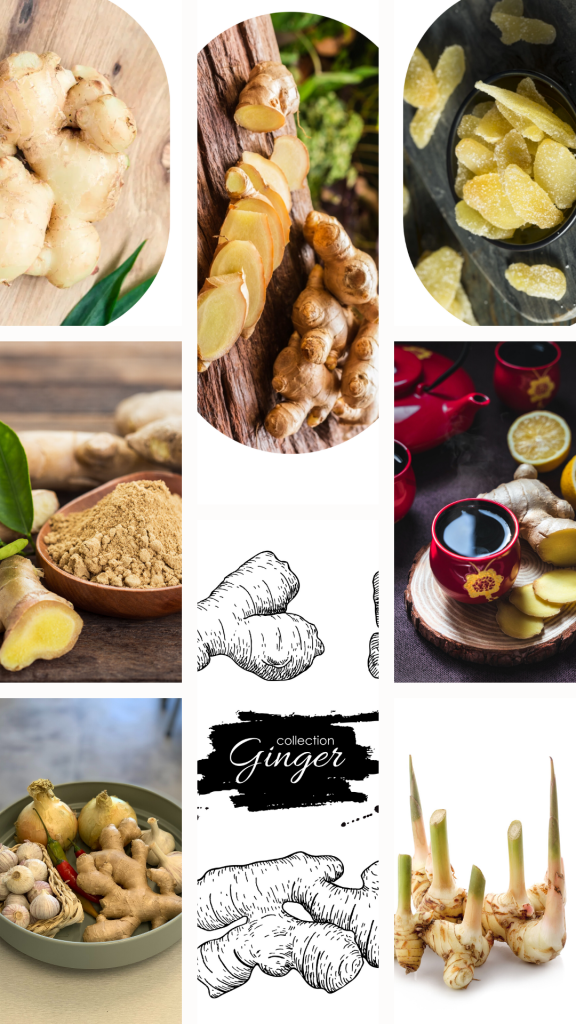
Many would know ! Others might not … we eat the root part of the ginger plant!
I have to say that it is one of the best and the most flavorful root vegetables around. “Ginger” is also one of the most used root as a flavoring agent in the base of many cuisines, namely, in the Continental cuisines ginger helps impart good flavour to stews , in cuisines such as the Indian cuisine they are one of the base ingredients to be added to the saute pan for a flavorfull and rich gravy. Mexican cuisine uses the spicy ingredient as a ingredient in their cookies in the dry form.
While all cuisines use the ingredient in many ways & at different stages of cooking in their cusine, it is a given that it is a versatile ingredient as it is available in many forms. Other than the fresh from ginger is also available as :
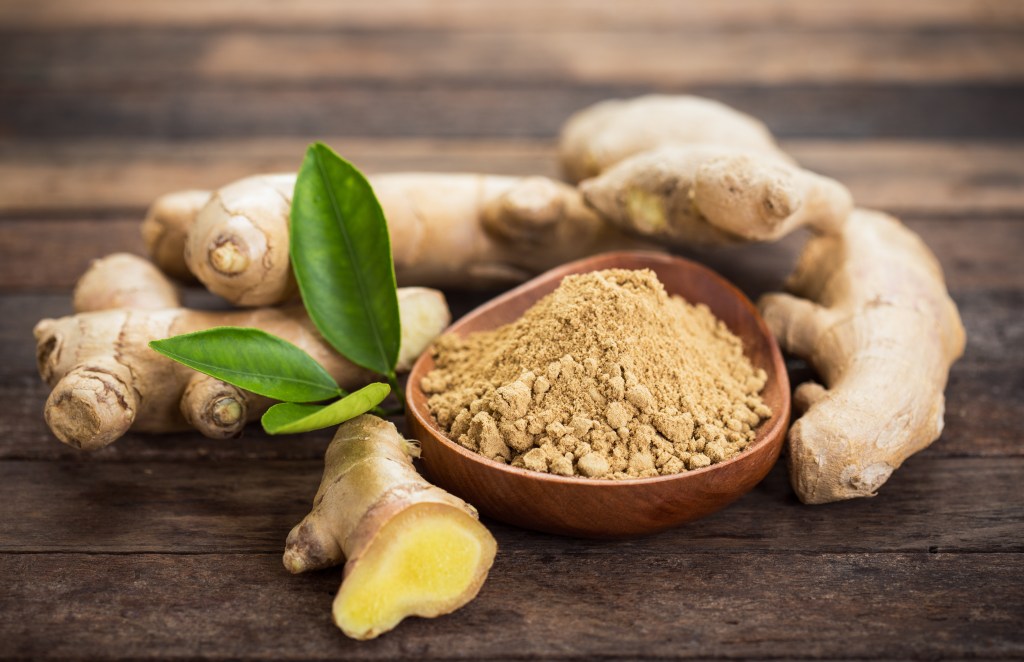
“ginger powder”
the best and the easiest way for making a cookie taste great! In the powdered form ginger is a great ingredient for being used in the bakery. It can be mixed in variety of cookie dough recipes with the all time favourite being ” GingerBread “
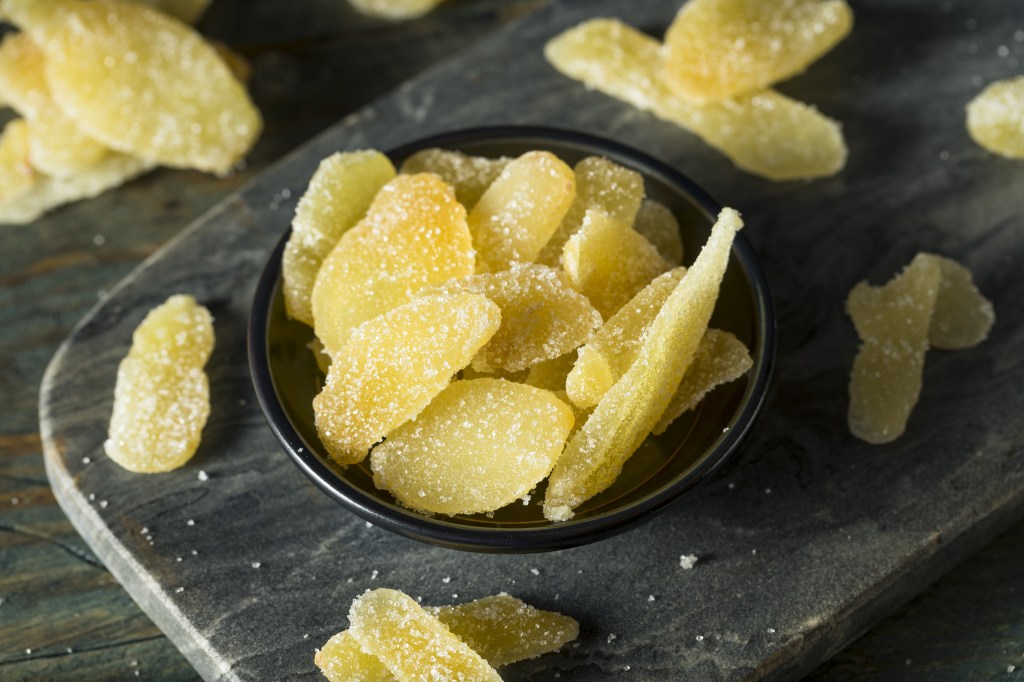
yet another beautiful bakery favourite, Candied ginger is used in making plum cakes or rum cakes or as some call it christmas pound cakes and also the minced pudding pie. As the name suggests, it is also loved as a “candy”
Although it is a preparation and not a natural form. It is one of the ways ginger is commercially sold as well!
&
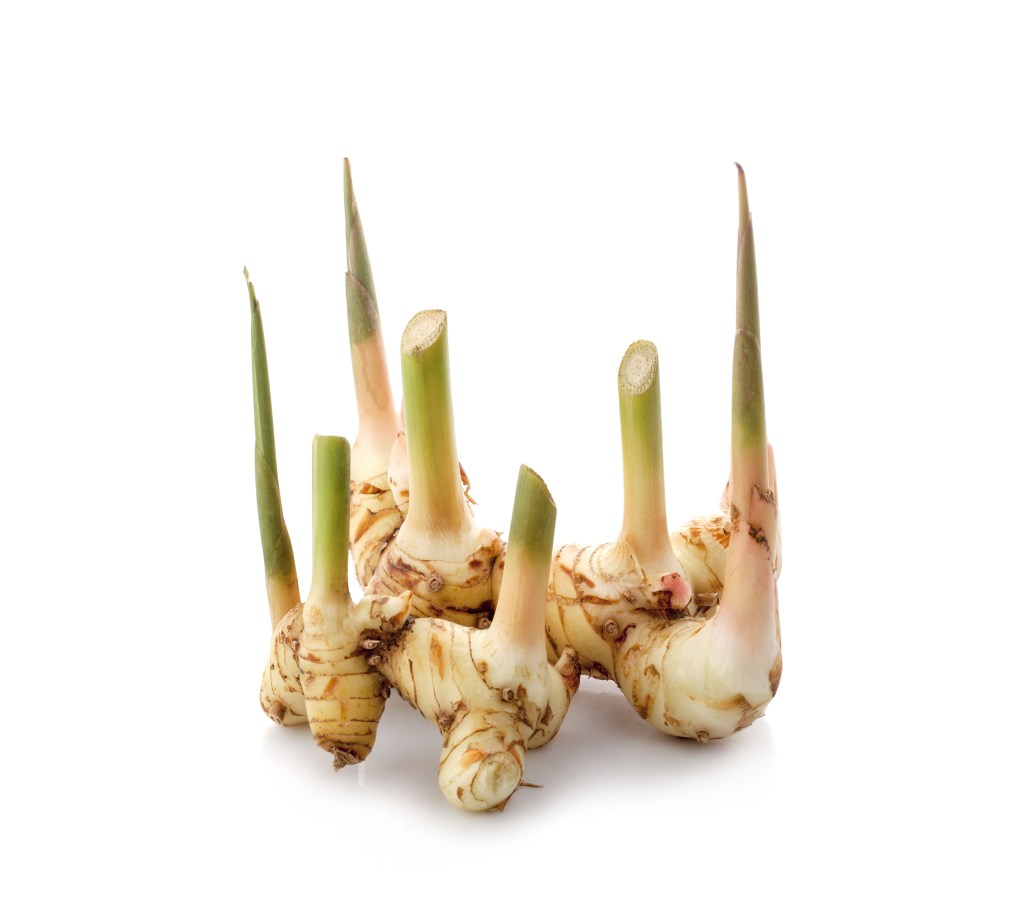
“thai ginger OR galangal”.
These two ingredients are easily confused because they’re both rhizomes used in Southeast Asian cuisines. Galangal is in the same family as ginger and is definitely a close relative of both ginger and turmeric, but tends to be less sweet and rounded in its taste. Instead, it is sharper, more peppery, and spicier. But like ginger, it’s also available fresh, ground, or dried and sliced. Galangal is used in Thai food, but it’s also widely implemented in traditional Chinese and Ayurvedic medicine for its healing properties.
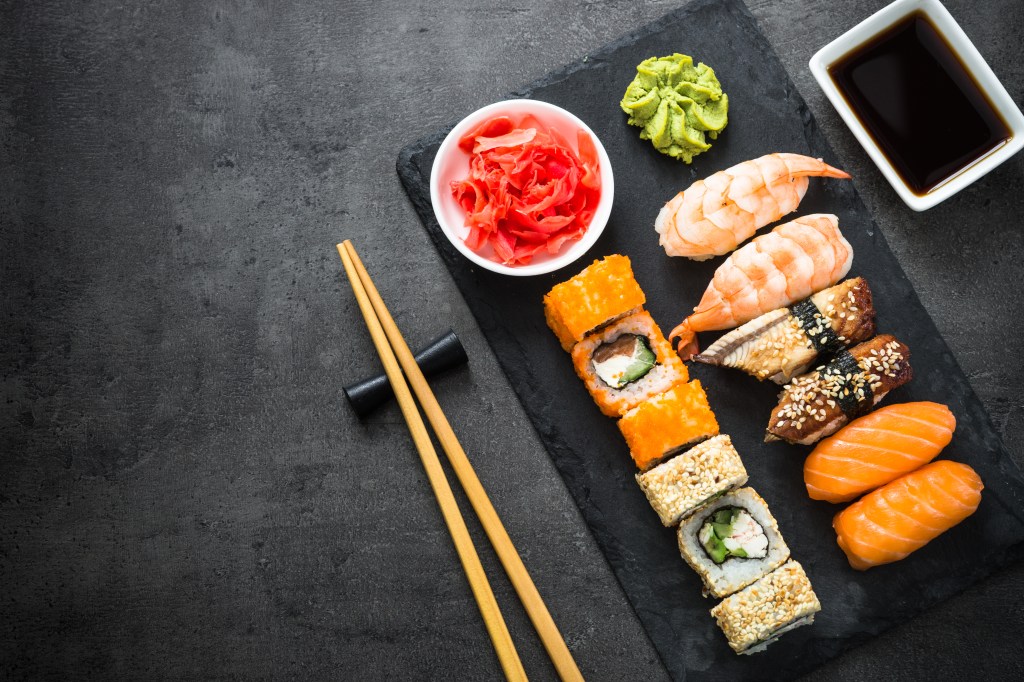
Sushi Ginger A.k.a Gari
It is made from sweet, thinly sliced ginger that has been marinated in a solution of sugar and vinegar. Younger ginger is generally preferred for gari because of its tender flesh and natural sweetness. Gari is often served and eaten after sushi, and is sometimes called sushi ginger. It may also simply be called pickled ginger. In Japanese cuisine, it is considered to be essential in the presentation of sushi. It is used to cleanse the palate between eating different pieces of sushi, or, alternatively, it may be eaten before or after the meal.
Apart from these three is the most commonly found one , “fresh ginger” which as mentioned above is used in many ways as a flavoring agent in the initial stage of the sauté or as a garnish in julienne. Although ginger is used in very little quantity, the amount of strenght it has can over power the whole dish in terms of flavor, if added in large quantities.
Ginger ?! Pyscho wat?
Considered as a psychoactive ingredient as it is also responsible for mood changes. Even in their usual intake range, a variety of spices including vanilla, black pepper, cacao, chili peppers, cloves, saffron, cinnamon, ginger, nutmeg, and turmeric have been described as having mild effects on mood. This however is not due to the fact that the ingredient is psycoactive, but is a result of the fact that it is a general stimulant & an aprodisiac. As mentioned by the “Current Psychiatry” , according to them
“Ginger (Zingiber officinale) is regarded as a
Taking the spice route:
sedative, general stimulant, and aphrodisiac. Its main constituents are phenolic compounds such as gingerols and shogaols, and sesquiterpenes such as zingiberene.Ginger is an inhibitor of thromboxane synthetase, a property shared by tricyclic antidepressants. Research indicates that 9 compounds found in ginger may interact with the serotonin 5-HT1A receptor, suggesting a possible mechanism for reducing anxiety. A study by Nievergelt et al indicates that by binding to human serotonin receptors, ginger might influence GI function. Ginger extract contains a cholinergic and spasmogenic component, which provides a mechanistic insight for the prokinetic action of ginger”
Psychoactive properties of culinary spices
“Current Psychiatry“
Facts & Benefits Of Ginger!

Galangal . . .
Used as the base flavoring agent in Thai, Southern Asian cuisines it is a rhizome variant which is closely related to ginger. While in the stages of cooking, galgangal might be added at the same stage as ginger, it is cooked for a lesser amount of time to retain the best of its flavor!
As to be quoted by Wiki “While all varieties of galangal are closely related to common ginger, and all exhibit some resemblance to the hot, spicy flavor of ginger, each is unique in its own right, and galangals are not typically regarded as synonymous with ginger or each other in traditional Asian dishes.”
In culinary uses the rhizome is used as ingredient in making Tom Yum and Tom Kha soups in Thai Cuisines, & also in the delectable favorites like red & green curries. As far as the Vietnamese cuisines are to be considered , Soto is one dish that comes to mind!
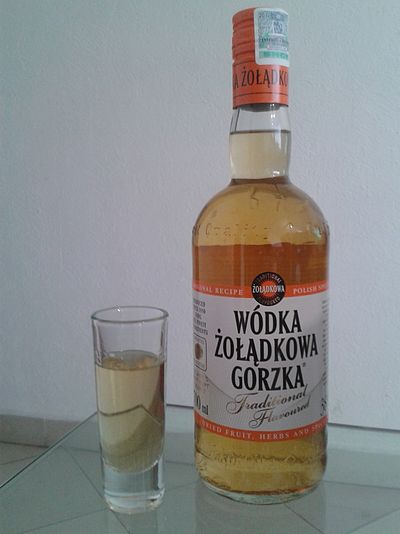
Polish Żołądkowa Gorzka vodka is flavoured with galangal

A human who is characterized by freckles, pale skin, and bright red hair. Gingers are usually considered as inferior to the melanin-rich brethren and hence there is discrimination against them. It is believed that gingers have no souls. The condition Gingervitis is considered to be incurable and genetic.
Although this is FAKE! and was also shown in one of the episodes of “South Park”
Some recipes of the ingredient at avaialable on our “Recipes” Page . Head on over to savour the flavor of the same.
Also, let us know if you would like any ingredient you want us to feature on the blog so we can spread the word. And as always
Let’s Take Ingredients ONE At A Time
 SeQuential Eaters!